Every organization has fine-grained security controls. Define user roles, folder-level permissions, API key scoping, and security group membership. Permissions are enforced inside the query engine, not at the gateway — the same dashboard URL shows different data to different users.
Security at the Query Layer
Role-based access control in GroveStreams isn't a gateway filter or an application-layer check — it's enforced inside the query engine itself.
- When users interact through the UI, GS SQL, the AI assistant, or OAuth-authenticated OData connections, the query engine filters results by their individual permissions
- If a user doesn't have read access to a component, that component's data is absent from query results entirely — not just hidden in the UI
- Security-aware dashboards: The same dashboard viewed by two different users shows different sets of components based on each user's access rights. An operations manager sees their region; a field technician sees only their assigned equipment — same dashboard, same URL, different data
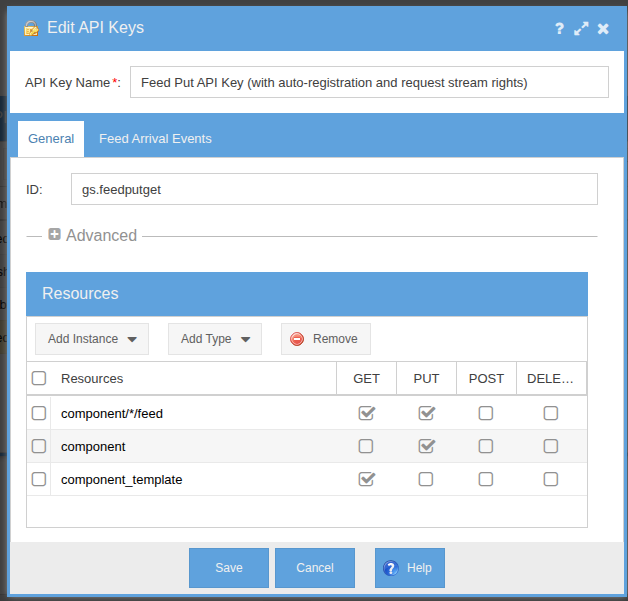
- API keys provide a separate security model for system-to-system integration — scoped by endpoint, resource type, IP address, and domain whitelist
Access Control
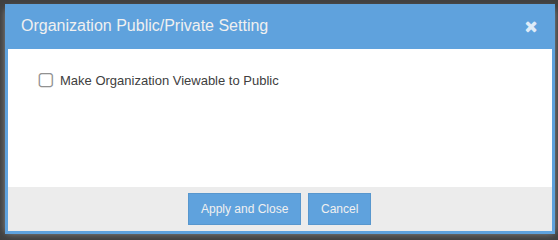
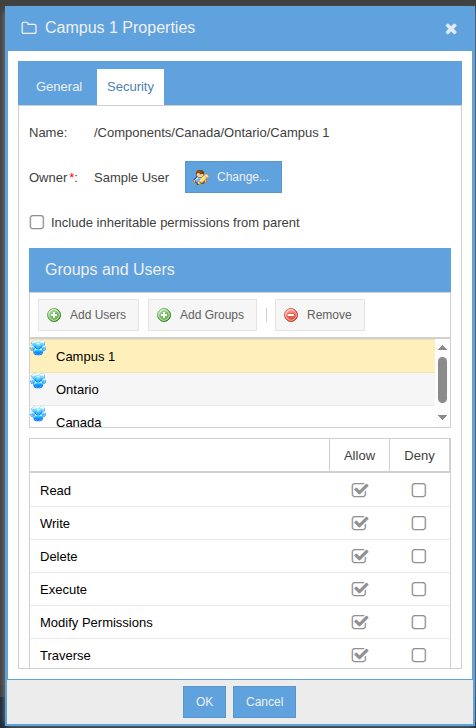
Two layers of control: an org-level setting that flips the entire org public or private, and per-folder/per-object permissions accessed via right-click → Properties → Security — familiar from any operating system. Both are enforced inside the query engine.
API Keys
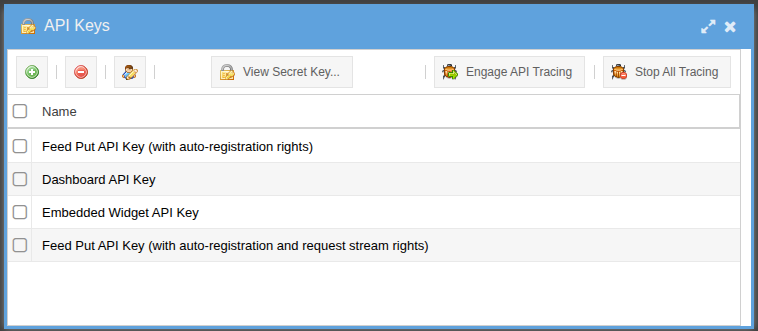
API keys provide a separate security model for system-to-system integration. Scope each key by endpoint, resource type, IP address, and domain whitelist — or grant broad access for trusted internal services. Keys can be rotated and revoked without touching user permissions.
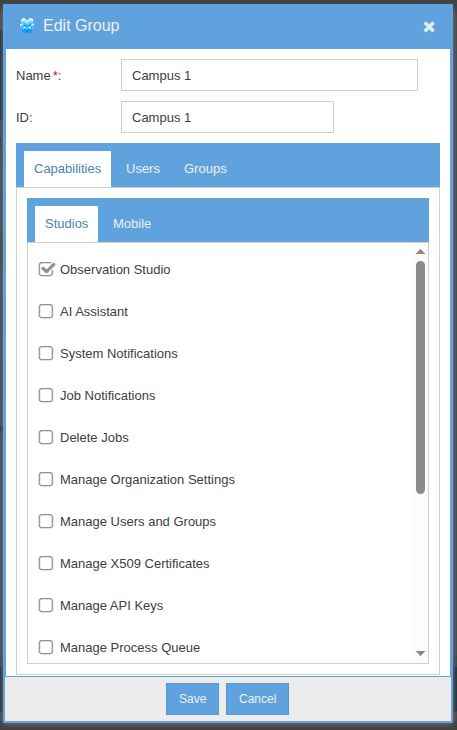
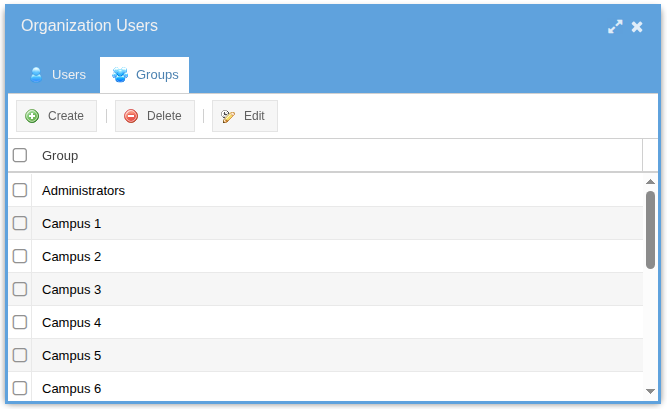
Users, Groups & Their Permissions
This is where you add and remove users from the organization and configure each user's security. Group users into roles — operators, technicians, regional managers — so permissions can be assigned by group rather than by individual. Groups appear as an option anywhere a Security tab takes user/group entries, keeping org-wide policy consistent.